

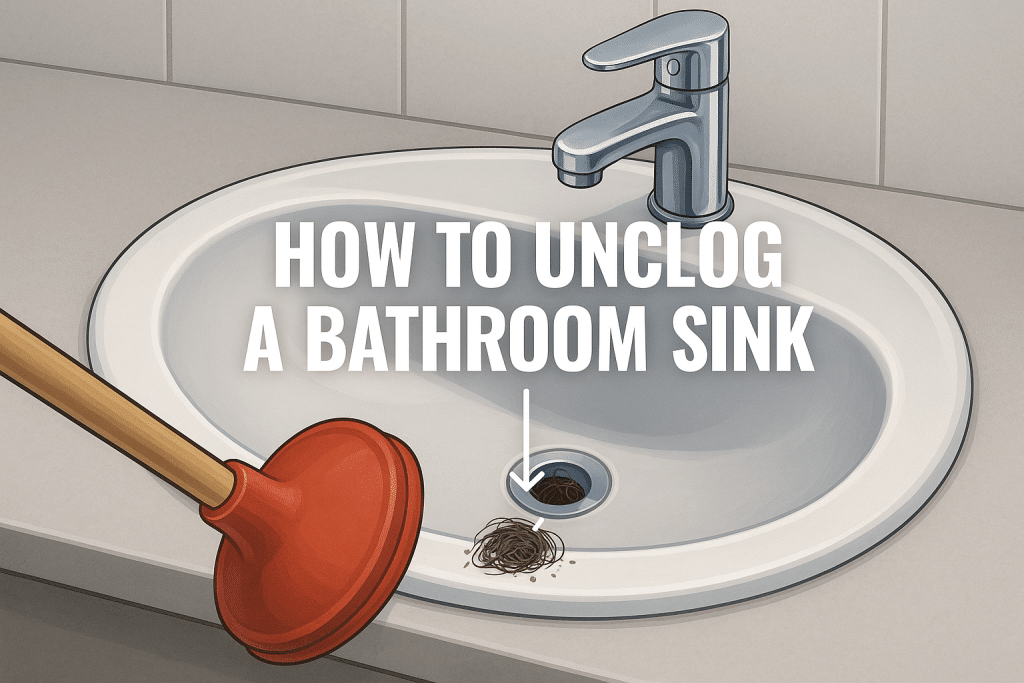
Effective DIY Methods & Prevention Tips
Are you dealing with a clogged sink in your bathroom? It’s a frustrating problem, especially when it comes with unpleasant odors or strange noises. If you’re tired of slow or non-existent drains, read this guide on how to unclog a bathroom sink the easy way, including several DIY methods, prevention tips, and when to call a plumbing professional.
Signs of a Clogged Sink
How do you know if your sink’s drain is having problems? Here are a few common signs you need to look into drain cleaning.
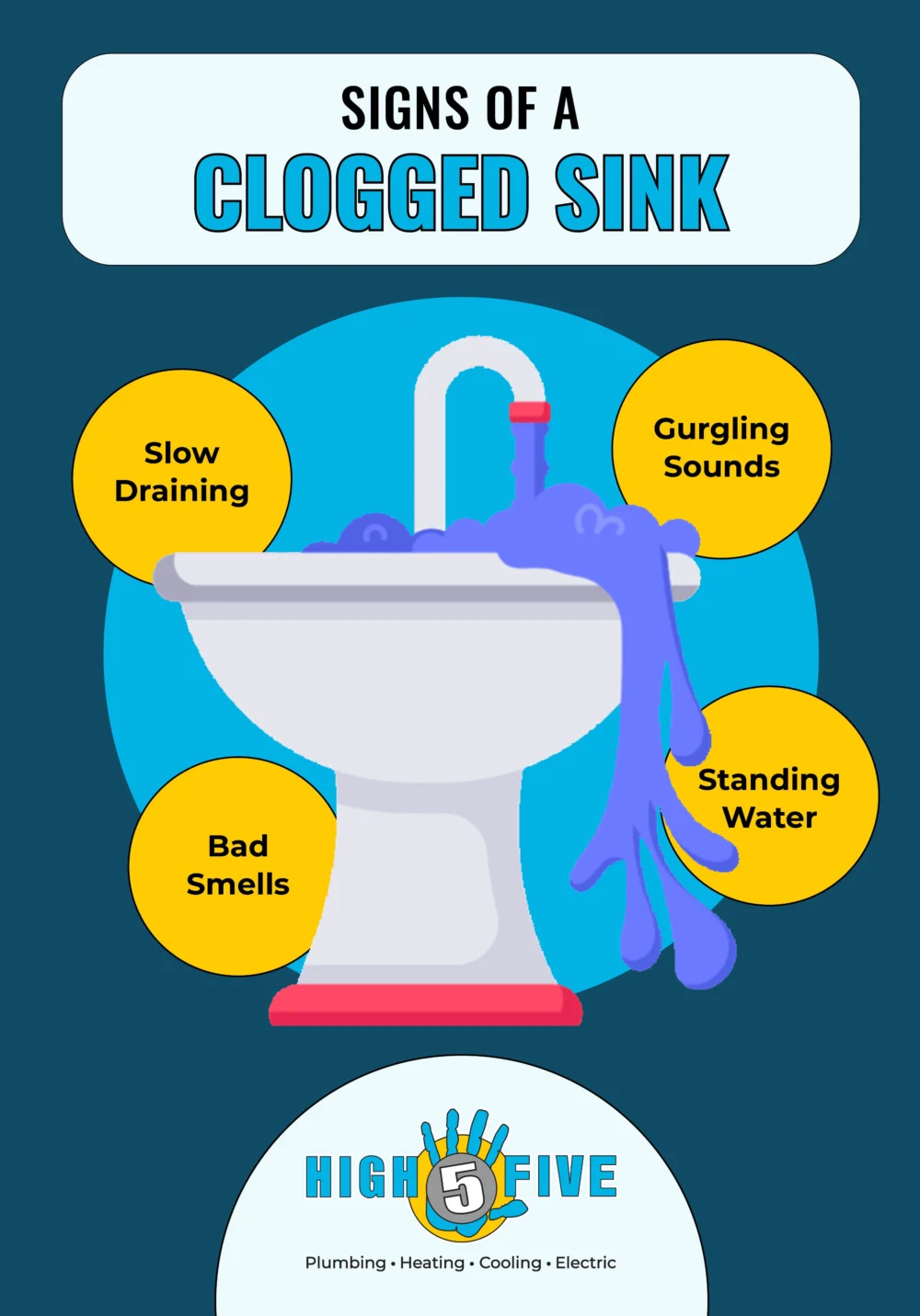
Slow-draining water
The most obvious sign of a clogged drain is if the water drains extremely slowly when you run the tap. This makes it annoying to brush your teeth or wash your hands, and can cause soap scum and other buildup to form on your sink.
Foul odors
Sometimes, a blockage in your drain can begin to emit unpleasant smells. This depends on whatever is causing the blockage — it may smell musty or moldy, or it may smell sulfuric like rotten eggs (though this can sometimes mean you smell hazardous sewage gas).
Gurgling sounds
A properly working drain should make little to no noise. If you notice unusual gurgling noises while it’s draining, it often means there’s something obstructing water and air flow inside the drain.
Standing water in the sink
Of course, if your drain isn’t working at all, it’s a clear sign to start working on unclogging your bathroom sink. This is a frustrating issue that makes your sink useless until it’s fixed, so we recommend addressing the problem straight away.
DIY Methods to Unclog a Bathroom Sink
Now that we know the signs of a clogged sink, how do you fix it? While plumbers in your area can definitely repair this issue in a matter of minutes or hours, there are a few DIY methods to try first. Here’s how to clear your bathroom sink drain yourself.
Remove visible debris
If you can see any visible debris in or around the drain, remove it using a paper towel. Any solids can contribute to drain blockages, such as hair, dust, soap scum, or anything else. This is the essential first step to clearing your drain.
Plunge the sink
A very effective way to clear a drain stopper is by using a toilet plunger. It works the same way as plunging the toilet — simply put the plunger over the drain and push down to form a seal, then plunge up and down to try and dislodge whatever is blocking your drain. If it works, you should notice your sink draining normally right away.
Baking soda and vinegar method
Another way to eliminate bathroom sink clogs is with a simple mixture of baking soda and vinegar. This mixture can cut through some stubborn buildup, which is sometimes enough to get the drain flowing normally again. You can also use this approach with the other methods listed here for better odds of success.
Use boiling water
Boiling water can be a good way to clear stubborn drain blocks, especially when used after baking soda and vinegar. Simply pour a litre or so of very hot water down your drain to soften congealed buildup and loosen clogs.
Try a plumbing snake or a wire hanger
If the above methods fail, there are still options! A plumbing snake is a great way to unclog a drain manually. Plumbing snakes are available at any hardware store for just a few dollars. If you don’t have one and don’t want to get one, another good option is to straighten out a wire coat hanger and use that like a plumbing snake, trying to scrape and break up any clogs in the drain.
Clean the P-trap
If all else fails, it’s worth checking your P-trap before you call a professional. P-traps are the curved section of your drain pipe that prevents sewage gas and other hazardous substances from coming up out of your drain. Due to their shape, they can sometimes become clogged with hair and other debris. Place a bucket underneath the P-trap, carefully remove it, empty the water into your bucket, and thoroughly clean it before replacing it.
Prevention Tips for a Clog-Free Sink
The best way to deal with clogs is to avoid them in the first place.
Use strainers
Drain strainers help keep hair, dust, and other solids out of your drain, making it easier to maintain clear and clean drains.
Avoid pouring problematic substances down the drain
It’s important to keep anything that could cause clogs out of your drain, including oil or fat, excess hair, or other clogging products, as some of them may form clogs later on.
Regular maintenance
Regularly checking and cleaning your drains goes a long way to prevent stubborn clogs from forming, saving you time, money, and stress down the line.
Clean the sink stopper regularly
Your sink stopper is the first line of defense against clogs, so make sure you clean it regularly — every week or two should cut down on the risks of clogs significantly.
Still Having Issues With Your Bathroom Sink? Call The Plumbers at High 5
If you’ve tried the above methods and are still dealing with a stubborn sink clog, don’t worry. The plumbing professionals at High 5 are here to help! We have the tools and experience needed to unclog bathroom sinks in a matter of minutes, ensuring they’re thoroughly cleaned and in perfect working order before we go. If you’re ready to say goodbye to clogged drains, don’t hesitate to contact High 5 today!